
Gaming’s New Normal Challenges an Industry Under Growing Pressure
Gaming is moving through 2026 with momentum, but little room for complacency. Newzoo reports that global games revenue reached $201.6 billion in 2025, up 9.1 percent, even as attention and spending gathered around fewer major releases. This is not an industry in decline, but one entering a more demanding phase, where publishers must balance creative ambition with disciplined investment, convincing value, and the long-term trust of players worldwide.
Key Takeaways
The gaming industry is experiencing significant revenue growth but faces increased pressure due to market concentration, rising costs, digital distribution challenges, and workforce impacts, requiring strategic adaptation for sustainable success.
- Global gaming revenue surpassed $200 billion in 2025, demonstrating continued growth, but this success is increasingly concentrated in fewer major titles and live-service games.
- The shift to digital purchases, while convenient, presents challenges for game preservation, resale, and discoverability, intensifying competition for developers.
- Industry pressures have led to significant restructuring, job losses, and cautious views on generative AI, highlighting the need for responsible innovation and strategic investment to ensure long-term resilience.
Growth is real, but its economics are changing
That new normal begins with an expanding market, though its rewards are uneven. Newzoo’s final 2025 estimate placed revenue above $200 billion for the first time, confirming that gaming remains a powerful entertainment business with further growth potential.
Yet growth is not shared evenly across releases or studios. PC and console data showed revenue concentrated in fewer high-impact titles, while live-service games retained player attention. These gaming trends increase the value of clear positioning, sustained support, realistic budgets, and audience targeting.
Financial pressure extends beyond software competition. Nintendo said its May 2026 forecast included roughly ¥100 billion, or about $631 million, from rising component prices, especially memory, and tariffs. Its hardware price revisions show how market conditions can reach consumers, although they do not prove that every device or game will become more expensive.
Digital growth adds pressure on players and developers
Digital purchasing now sits at the center of the market, making its consequences harder to ignore. Sony reported that 78 percent of PlayStation full-game units were downloaded during its fiscal year ended March 2026, reaching 85 percent in the fourth quarter. Nintendo’s results showed that digital sales accounted for 61.5 percent of dedicated-platform software revenue.
Digital convenience brings trade-offs. Account-based access can complicate preservation, resale, storage, and play in areas with weak broadband. For game development, online storefronts reduce distribution barriers but intensify competition, making discoverability a major challenge.
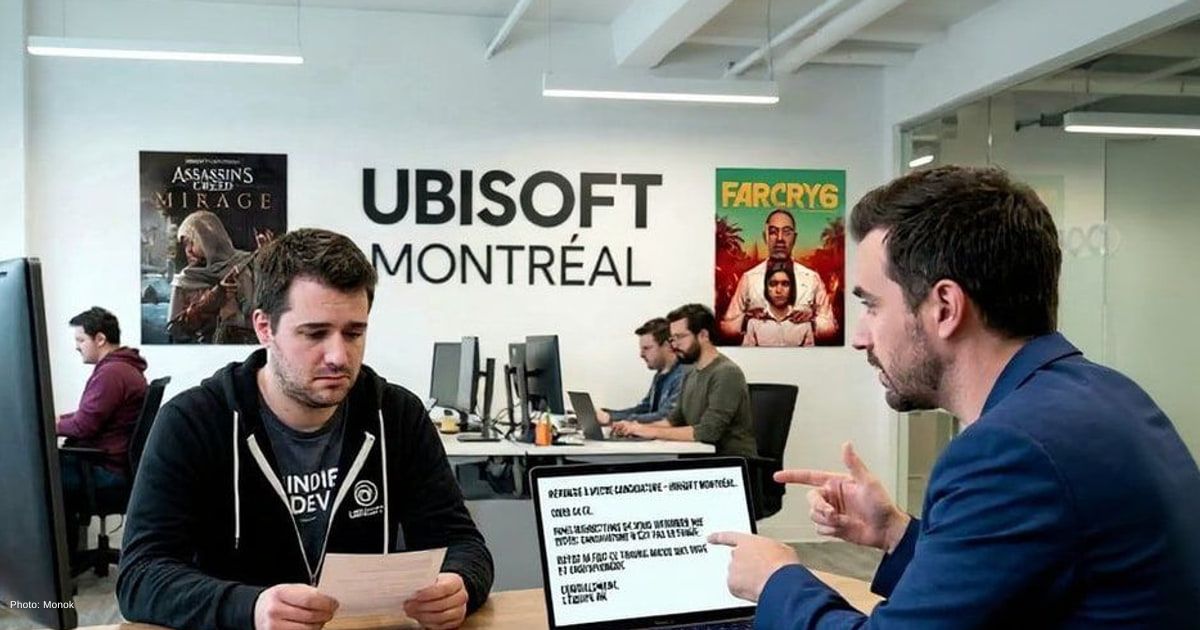
Ubisoft reflects the pressure major publishers face. In January 2026, it announced a restructuring around five creative houses, six game cancellations, seven delays, and deeper cost cuts. For the fiscal year ended March 2026, it reported an IFRS operating loss of €1.32 billion (US$1.53 billion) and a 17.4 percent decline in net bookings.
The workforce impact extends beyond one company.GDC’s 2026 survey of more than 2,300 professionals found that 28 percent had been laid off within two years, while half said their current or most recent employer had cut staff in the previous year. It also found that 36 percent used generative AI at work and 52 percent viewed its impact on the industry negatively. Gaming industry innovations can support game development, but responsible adoption requires governance, consent, credit, and human oversight.
How the industry can turn pressure into progress
Responding to these pressures requires more than cost-cutting or a rush toward technology. Studios that study gaming trends, control scope, test demand early, and protect creative teams can build with greater confidence. Gaming industry innovations should expand accessibility, improve production, and strengthen discovery without weakening authorship or trust. Evidence-led investment can turn uncertainty into better products and more resilient businesses.
Today’s strategic choices could transform the new normal into a foundation for sustainable growth. Companies that communicate value, maintain realistic schedules, and treat creators and players as long-term partners will be better positioned to compete. With disciplined leadership and responsible innovation, the industry can transform today’s pressure into sustainable growth, stronger experiences, and broader opportunities across the global gaming market.

Marcus Kade
Marcus Kade is Managing Editor at Spiel Times, covering breaking gaming news with a focus on the industry's business side. When not writing, he's probably losing a co-op game to his partner.
View all articlesRelated Articles
View All
October 2026 Could Be One of the Year’s Busiest Months for New Games
October is shaping up to be another packed month for players, with major franchises sharing the calendar with some unusual...

Rocket League Jumps From Unreal Engine 3 to UE6 With Pros Helping Rebuild It
Rocket League is preparing for its biggest technical transformation since launching more than a decade ago. Psyonix is rebuilding the...

God of War Laufey Sparks AAA Debate After Veteran Director’s Critique
AAA gaming has long represented the industry’s highest level of ambition, combining massive investments, advanced technology, and cinematic experiences. Veteran...