
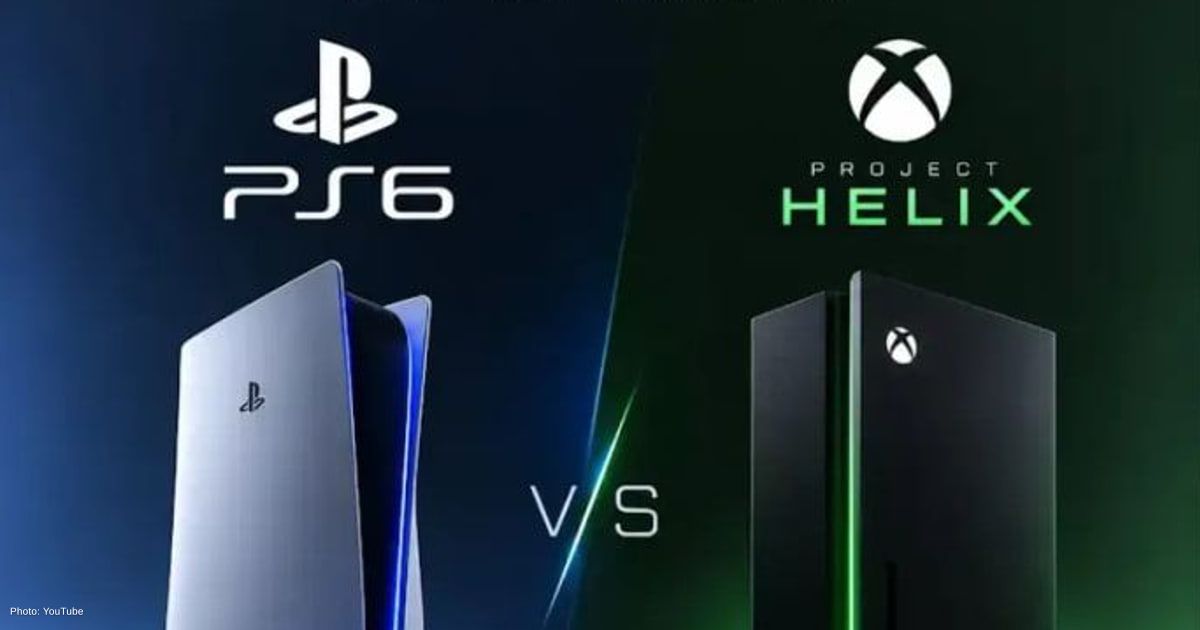
Rising memory costs put PS6 and Xbox Helix pricing under pressure
The next console generation is taking shape as component costs rise. Sony is preparing its next PlayStation platform, and Microsoft has identified Project Helix as its future Xbox. At the same time, memory prices are climbing amid strong demand from artificial-intelligence data centers. Higher costs do not guarantee higher retail prices, but they could influence production choices, hardware ambitions and the value gamers expect from their next upgrade cycle.
Key Takeaways
Rising memory costs due to AI demand are creating pricing and hardware pressures for Sony’s PS6 and Microsoft’s Project Helix consoles.
- Increasing DRAM and NAND flash prices, driven by AI server demand, are directly impacting the cost of manufacturing next-generation consoles like the PS6 and Xbox Project Helix.
- Both Sony and Microsoft are acknowledging the impact of memory costs on their upcoming console pricing and availability, potentially influencing hardware specifications and production strategies.
- While official pricing and specifications for the next-gen consoles remain undisclosed, gamers should anticipate potential price adjustments or hardware compromises due to the current memory market conditions.
Sony and Microsoft reveal their next-gen console plans
Sony has not named the next console PS6 or disclosed its price. On November 5, 2026, it said preparations for its next-generation platform were continuing. It also said it had aligned memory quantities with suppliers for projected hardware sales next fiscal year.
That procurement statement was not identified as PS6-specific, so it should not be treated as confirmation of the console’s memory configuration. Sony has acknowledged that higher memory prices raise hardware costs and said pricing, promotions, and cost reductions helped manage pressure on PS5.
Microsoft has detailed its Project Helix plans, confirming a custom AMD chip for Xbox and PC games. The partnership builds on Microsoft’s broader hardware ambitions, which Xbox President Sarah Bond highlighted when announcing the collaboration with AMD.
Xbox and AMD are working together to advance the state of the art in gaming silicon across the Xbox ecosystem.
Sarah Bond, President of Xbox
The partnership aims to advance graphics technology and AI-enhanced gaming experiences across Microsoft’s hardware ecosystem. More recently, CEO Asha Sharma acknowledged that memory costs will affect Project Helix pricing and availability. Developer alpha hardware is planned for 2027, although no retail price or launch date has been announced.
Rising memory costs put console pricing under pressure
Memory is central to console design and cost. System memory helps games handle assets and active data, while storage holds installed games and files. When DRAM or NAND prices rise, manufacturers may absorb increases, negotiate supply, adjust components or pass costs to buyers. Each option affects margins, performance or affordability, making memory-market shifts important before a console reaches shops.
The wider market shows why the issue deserves attention. On September 30, 2026, TrendForce projected fourth-quarter contract prices to rise 10–15% for conventional DRAM and 15–20% for NAND flash, citing tight supply and strong AI-server demand. These are market forecasts, not confirmed procurement prices for Sony or Microsoft. Actual costs depend on contracts, volumes, specifications, and purchase timing.
The cost challenge sits alongside a race to improve graphics. Sony’s Project Amethyst work with AMD has contributed to AI upscaling, including Quick Spectral Super Resolution on PS5. Microsoft says Helix is co-designed with AMD for DirectX and FidelityFX Super Resolution technology. These gaming industry innovations may improve image quality, but neither company says they will offset memory costs. Full specifications remain undisclosed.
The price of next-gen gaming for players
For players, the practical takeaway is to wait for official prices and full specifications. Neither company has announced a retail price, and Sony has not confirmed that its newly aligned memory quantities are intended for PS6. Four-figure launch claims remain estimates, not company guidance.
A console’s long-term value will depend on performance, compatibility, subscriptions, and launch games. The latest game releases may influence upgrades, while game development will determine how studios use the hardware. Over time, gaming trends and the latest game releases will show whether smarter rendering improves entertainment and whether game development can turn efficiency into richer experiences.

Marcus Kade
Marcus Kade is Managing Editor at Spiel Times, covering breaking gaming news with a focus on the industry's business side. When not writing, he's probably losing a co-op game to his partner.
View all articlesRelated Articles
View All
God of War Laufey delayed to May 2027 as Sony escapes crowded February lineup
Sony’s Santa Monica Studio has pushed God of War Laufey from 16 February to 20 May 2027, giving Faye’s adventure...

BeamNG.drive Brings Realistic Car Crashes and Multiplayer Madness to PS5
Crashing cars has never looked this ridiculously fun! A beloved driving game is finally making its console debut after more...
PS6 Price Fears Grow After Shocking $680 Memory Cost Leak
Sony’s next-generation PlayStation could arrive with a higher price tag than many players expect. Rising component costs are making gaming...