
Video Game Adaptations Gain New Momentum Across Film and Television
The relationship between video games and Hollywood has entered a new phase, as studios increasingly adapt interactive narratives for screen audiences. For decades, many film adaptations failed to capture the essence of games, drawing criticism. Recent successes suggest the industry is now refining a more effective storytelling formula.
The shift became clear with acclaimed productions like The Last of Us and Fallout. These adaptations earned strong reviews and attracted millions of viewers worldwide. Their success demonstrated that modern games offer more than action sequences. They provide layered narratives that can thrive beyond gaming platforms.
Key Takeaways
Hollywood is experiencing a resurgence in video game adaptations, driven by recent successes and a newfound respect for the storytelling potential within games.
- Recent successful adaptations like ‘The Last of Us’ and ‘Fallout’ have demonstrated that modern video games offer rich, layered narratives that can translate effectively to film and television.
- Industry shifts, including improved collaboration between filmmakers and game developers, and a greater appreciation for game storytelling, have led to more respectful and successful adaptations.
- The growing diversity of video game genres and narratives, from independent titles to puzzle-based games and emotionally resonant stories, is opening up new avenues for screen adaptations beyond traditional action-focused content.
New confidence in adaptations
Industry analysts point to changing attitudes within film studios. Creators now treat game stories with greater respect and care. This approach differs sharply from earlier adaptation efforts. Stronger collaboration between filmmakers and developers has improved results.
According to Newzoo market data, gaming attracts billions of people worldwide, with audiences growing across diverse age groups. This expanding reach presents significant opportunities for studios. By adapting popular games into other media, companies can engage existing fans while also attracting new viewers who may not play games themselves.
Experts also note that narrative quality has improved significantly. Modern game development often rivals television and film storytelling. Characters are more complex and emotionally engaging. This shift has made adaptation projects less risky than in the past.
Diverse stories reach screens
The growing interest extends beyond blockbuster franchises. Independent titles are increasingly viewed as strong candidates for adaptation. Their unique stories offer fresh possibilities for film and television. Many feature concepts are rarely explored in mainstream entertainment.
One example is Lethal Company, a cooperative horror game. Its blend of corporate satire and survival creates unusual tension. The premise balances fear with dark comedy. Such qualities could translate well into a feature film.
Another notable contender is Replaced, developed by Sad Cat Studios. The game combines cyberpunk visuals with themes of artificial intelligence. Its alternate-history setting creates a striking backdrop. Analysts believe its cinematic style already resembles modern thriller productions.
Future potential beyond action
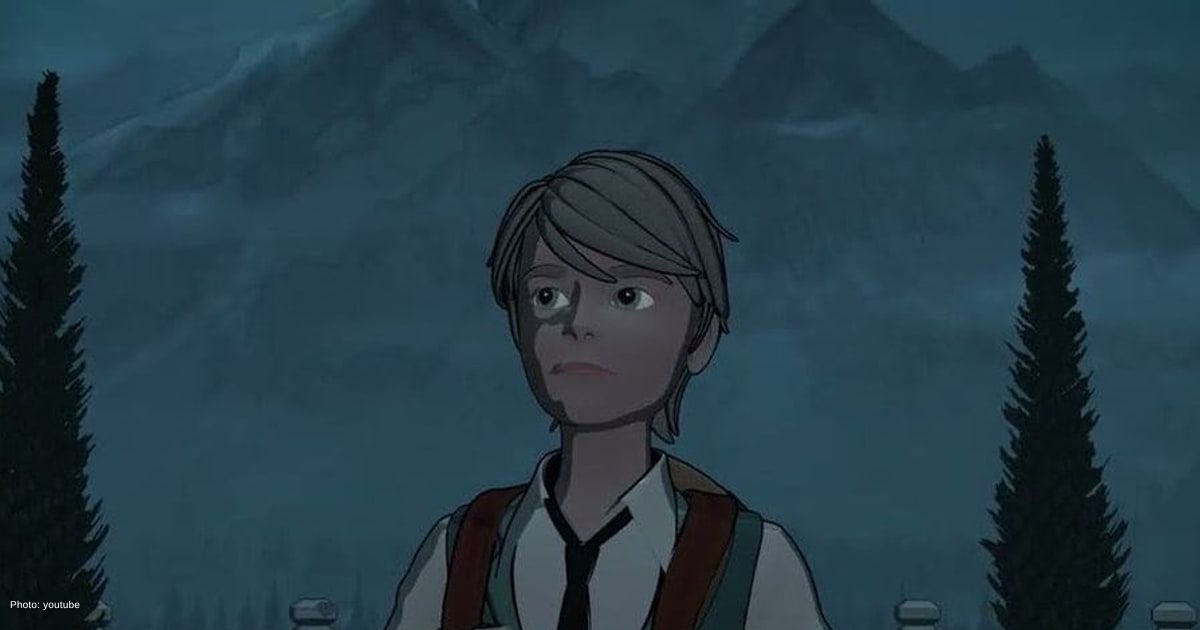
Not every adaptation must focus on explosions or battles. Puzzle-driven experiences are also attracting attention from producers. Games like Blue Prince emphasize mystery and discovery. Their stories could inspire thoughtful and atmospheric screen projects.
Lighter adventures remain part of the conversation as well. Dave the Diver mixes underwater exploration with restaurant management. Its colorful world appeals to broad audiences. Animated adaptations could benefit from their playful tone and charm.
Meanwhile, titles such as Pacific Drive and Ori and the Blind Forest showcase emotional depth. One delivers eerie survival storytelling through a paranormal journey. The other presents a heartfelt tale within a magical forest. Together, they illustrate emerging gaming trends and show how the latest game releases can inspire the future of entertainment.
The recent success of major adaptations suggests a lasting industry shift. Producers increasingly view video games as rich storytelling platforms. A wider range of genres is now under consideration. As gaming continues to change, its cinematic influence appears stronger than ever.

Kanishma Ray
Kanishma Ray is an entertainment and anime content writer, who's known to play a mean violin (decently, that is). She's an engineering student by day and a wordsmith by night, with a knack for crafting engaging and helpful content that her readers love. When she's not busy writing, you can find her nose buried in a book or controller in hand, consuming media like it's her job (oh wait, it is).
View all articlesRelated Articles
View All
A Look at Street Fighter: Ryu vs Ken in the Upcoming Live-Action Movie
Video game adaptations have become a major part of modern entertainment, giving familiar characters another chance to reach audiences beyond...
The Witcher Creator Isn’t Done With Geralt as New Novel Enters Development
Geralt of Rivia might be stepping aside in the next major Witcher game, but his story on the page is...

Nintendo Gives Mario Kart Tour One Last Victory Lap Before Shutdown
Mario Kart Tour is heading into its final lap after nearly seven years on mobile. Nintendo has begun one last...