
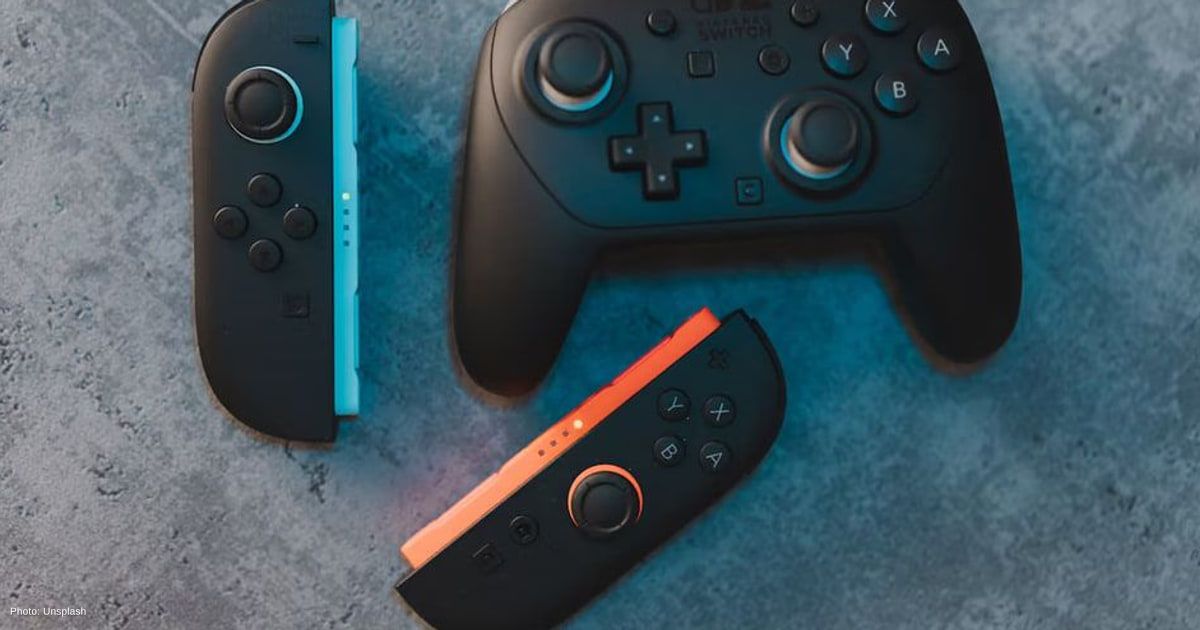
Gaming Consoles Enter a New Era as the Metaverse Shapes Future Play
The gaming industry is entering a transformative era in which consoles are becoming more than just powerful machines for playing games. As cloud technology, artificial intelligence, virtual worlds, and connected platforms expand, the relationship between players and digital entertainment is changing.
The global video game market continues to grow, reaching an estimated value of hundreds of billions of dollars in 2026, driven by console, PC, mobile, and online gaming ecosystems. The future of gaming won’t replace consoles; it will redefine how hardware, software, and communities interact.
Key Takeaways
Gaming consoles are evolving beyond hardware to become integral parts of interconnected digital ecosystems, embracing cloud technology, AI, and virtual worlds to reshape player experiences and foster communities.
- Consoles are transforming from standalone gaming machines into comprehensive digital ecosystems, emphasizing subscription services, cloud access, and online communities over traditional hardware upgrades.
- The emergence of the metaverse is influencing game design, shifting focus towards persistent, social virtual worlds where players can interact, create, and participate in events, exemplified by platforms like Fortnite and Roblox.
- The future success of gaming consoles hinges on the seamless integration of powerful hardware with expansive digital experiences and connected services that foster community and long-term player engagement.
Consoles evolve beyond traditional hardware
The modern console market is moving beyond the traditional race for faster processors and sharper graphics. While hardware improvements remain important, companies are now building complete digital ecosystems focused on subscriptions, online services, cloud access, and connected experiences. These gaming trends reveal a shift from device-centered gaming toward flexible platforms that follow players wherever they play.
Major industry players such as Sony and Microsoft are shaping this transformation by expanding their digital ecosystems through subscription services, online communities, and cloud gaming initiatives. Despite the growth of digital platforms, dedicated consoles remain significant, with the global console market continuing to generate billions in revenue as companies invest in stronger hardware and connected services. These gaming industry innovations show that consoles are evolving rather than disappearing.
The evolution is also happening inside the games themselves. As game development advances, studios are creating experiences designed for long-term engagement through social features, continuous updates, and interactive communities. Many of the latest game releases now include online elements, cross-platform support, and live content that keep players connected beyond the initial purchase.
Virtual worlds reshape the player experience
Beyond hardware and services, the metaverse is influencing how players imagine the future of interactive entertainment. Combining ideas from gaming, virtual reality, augmented reality, and social platforms, the metaverse envisions persistent digital spaces where users can play, create, and connect. Although the metaverse is still emerging, its concepts are already shaping the direction of gaming.
Examples like Fortnite and Roblox show how games are becoming social environments rather than simply competitive experiences. Players can attend virtual events, create personalized identities, build digital spaces, and interact with communities worldwide. These platforms highlight gaming industry innovations that are expanding games from entertainment products into shared digital experiences.
These developments are supported by technologies such as artificial intelligence, faster networks, and improved immersive devices. The cloud gaming market continues expanding as streaming technology improves, allowing players to access games across different devices. However, challenges involving privacy, online safety, accessibility, and hardware costs remain important factors developers must address as immersive gaming continues to develop.
A connected future for interactive entertainment
The continued evolution of gaming consoles is reflected in market expectations. According to Precedence Research, the global gaming console market is estimated at USD 31.37 billion in 2025 and projected to reach approximately USD 70.87 billion by 2035, with a forecast CAGR of 8.49% from 2026 to 2035. This growth highlights the role of hardware innovation, digital ecosystems, and connected services in shaping the future of console gaming.
As consoles continue evolving, their success will depend on combining powerful hardware with expanding digital experiences. The next chapter of gaming will be defined not only by how powerful devices become but by how effectively they bring people together.

Marcus Kade
Marcus Kade is Managing Editor at Spiel Times, covering breaking gaming news with a focus on the industry's business side. When not writing, he's probably losing a co-op game to his partner.
View all articlesRelated Articles
View All
Gaming Consoles Set for Long-Term Expansion as Innovation Drives 2035
Gaming consoles are evolving from standalone machines into connected digital ecosystems that define the next era of interactive entertainment. Driven...
How Paris Elevated EWC 2026 Into Esports’ Next Global Chapter
Paris became a defining esports destination in 2026 when the Esports World Cup expanded onto an international stage. The move...

Dressmaker Turns Cozy Fashion Crafting Into Steam’s New Indie Hit
The indie crafting game Dressmaker turns the quiet art of sewing into a charming Steam experience where creativity, customization, and...