
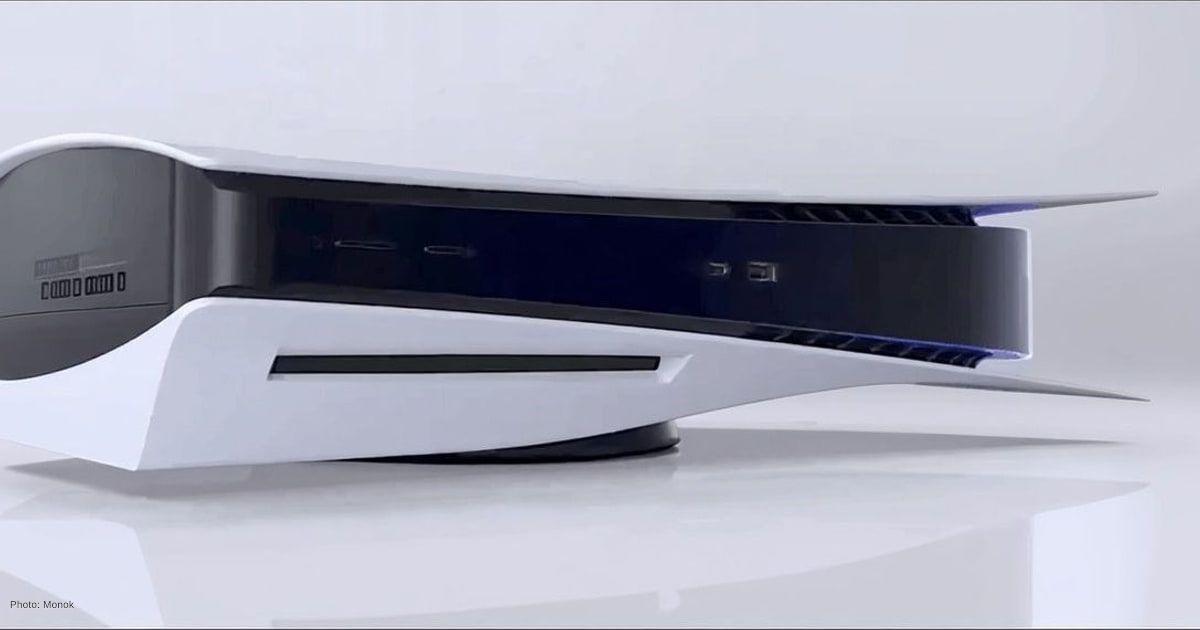
Sony’s Disc Exit Sparks New Fight Over Who Really Owns Digital Games
Digital downloads have transformed the way people buy and play video games, but the shift has also reopened an important debate about ownership. As more publishers embrace digital distribution, many players are asking whether purchasing a game should still come with the same rights they enjoyed for decades. The discussion has gained fresh attention following Sony’s plan to stop producing new PlayStation game discs in 2028.
Key Takeaways
Sony’s planned discontinuation of PlayStation game discs in 2028 has reignited the debate over true ownership in the age of digital game purchases.
- The shift towards digital game downloads raises concerns about players losing the permanent ownership rights and preservation benefits associated with physical game discs.
- While digital sales dominate, many collectors value physical copies for their historical significance and the ability to resell or trade them, unlike digital licenses.
- The debate highlights a growing demand for consumer-friendly digital ownership models that offer protections like game sharing and refunds, as seen on platforms like Steam and GOG.
The value of physical games
Physical copies have long given players a sense of permanence. Once purchased, a game could be kept for years, sold to another person, traded with friends, or donated without restrictions.
Those copies also play an important role in preserving gaming history because they remain accessible even after online services disappear. While gaming industry innovations continue to reshape the market, many collectors still view boxed games as valuable pieces of entertainment history rather than simple software licenses.
Digital convenience grows
Consumer buying habits have already shifted heavily toward digital downloads. During Sony’s latest fiscal year, the company sold 317.9 million PS4 and PS5 games worldwide, with 78% purchased digitally and only 22% sold as physical copies. Based on Sony’s reported sales mix, that works out to roughly 248 million digital copies were sold compared with about 70 million physical games. Those figures highlight one of today’s biggest gaming trends, even as the latest game releases continue launching in both physical and digital formats.
Modern game development has also reduced the role of physical media. Many retail discs no longer contain a complete version of a game. Instead, they mainly serve as proof of purchase while the console installs large files onto internal storage. Numerous titles still require day-one patches before becoming fully playable, while live-service games such as Fortnite depend on constant updates and permanent internet connections.
Large modern games also stream data directly from high-speed storage instead of reading everything from a disc. Digital distribution has likewise lowered publishing costs, allowing independent studios to release projects worldwide without paying for manufacturing and shipping.
Better digital rights
Several existing platforms already show that digital ownership can be more consumer friendly. Steam supports family game sharing and refunds despite using digital rights management, while Valve also allows some developers to offer DRM-free versions of their games.
GOG goes even further by letting customers download installation files that remain playable without permanent online authentication. Those features demonstrate that stronger consumer rights are possible without slowing gaming industry innovations or delaying the latest game releases.
Demand for similar protections is also growing. In Mexico, consumer advocates and lawmakers have pushed back against Sony’s decision to end physical PlayStation game discs after 2028, arguing that players should not lose ownership rights as the industry moves toward digital distribution.
Calls for reform
Calls for reform have intensified since Sony announced its 2028 disc plan. The Save Physical Games petition has gathered hundreds of thousands of signatures, while “No disc, no buy” has become a popular slogan on X. Reddit users have also called for boycotts of future digital-only PlayStation hardware.
The Video Game History Foundation has likewise urged the industry to support museums and archives by allowing digital-only games to be legally preserved. Many players believe digital convenience should not come at the expense of ownership and long-term access to purchased games.

John Micheal Agustin
John Micheal (sometimes called JM or Mike) has been writing various types of professional articles for almost 2 years now. He is an avid sports fan and has been following the NBA since the early 2000s. He also loves playing a lot of video games like DotA 2, Valorant, but MMOs have a special place in JM's heart. Not only is he a huge fan of basketball and video games, he also loves movies and tv shows. He is a huge MARVEL and MCU fan plus he is into a lot of superhero stuff.
View all articlesRelated Articles
View All
BeamNG.drive Brings Realistic Car Crashes and Multiplayer Madness to PS5
Crashing cars has never looked this ridiculously fun! A beloved driving game is finally making its console debut after more...

PS6 Price Fears Grow After Shocking $680 Memory Cost Leak
Sony’s next-generation PlayStation could arrive with a higher price tag than many players expect. Rising component costs are making gaming...

PS5 Pro Shortage Could Leave GTA 6 Fans Waiting Until 2027
The PlayStation 5 Pro is becoming harder to find, and the shortage could worsen as one of the year’s biggest...