
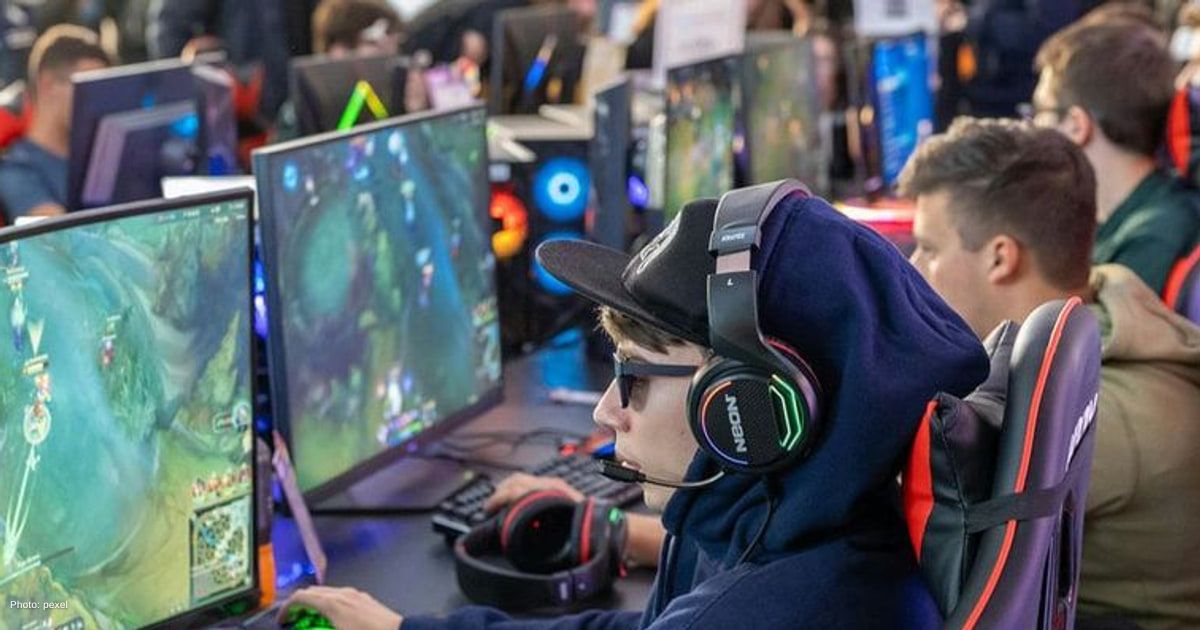
London Targets Global Esports Leadership With Growth Strategy
London is taking a bold step to strengthen its place in the global gaming market. Mayor Sadiq Khan announced a long-term strategy that aims to position the city as a leading esports destination. The plan was introduced during a trade visit to Tokyo, one of the world’s most influential hubs for competitive gaming. The announcement reflects how entertainment and digital competition continue to reshape modern economies.
The proposal follows the release of the report titled London’s Esports Opportunity. The study examines the city’s strengths while identifying barriers that could slow future growth. It also outlines practical actions to improve investment, talent, and infrastructure. The strategy highlights how esports has become a major force in global entertainment and digital business.
Key Takeaways
London is implementing a strategic plan to establish itself as a global leader in the esports industry by leveraging its existing strengths and addressing key challenges.
- London is launching a long-term strategy to become a premier global esports destination, building on its strengths in creative sectors, technology, and higher education.
- The city faces challenges including high operating costs and competition from cities offering lower expenses and financial incentives, necessitating a balance between quality and affordability.
- The strategy emphasizes collaborative partnerships between government, education, and private companies to improve workforce training, attract investment, and foster local talent to sustain long-term growth in the rapidly expanding global esports market.
London builds a competitive gaming future
London already has many advantages that support long-term esports growth. Its creative sector, technology companies, and universities provide a strong foundation for game development. The report argues these sectors can work together to attract more global tournaments and businesses. This cooperation could strengthen the city’s position within the international gaming market.
Industry analysts recognize London’s success in hosting major esports events, including the League of Legends World Championship Final and Valorant Masters. PwC and Newzoo report that the global esports audience now exceeds 640 million people. Market forecasts estimate the industry could reach US$9.2 billion to US$12 billion by 2033, driven by sponsorships, media rights, advertising, and commercial partnerships.
Despite these strengths, the report identifies several important challenges. High operating costs remain one of the biggest concerns for tournament organizers and esports companies. Competing cities often offer lower expenses and stronger financial incentives. Researchers believe London must balance quality with affordability to remain globally competitive.
Challenges demand long-term strategic planning
City leaders believe careful planning can overcome these financial barriers. The report recommends stronger partnerships between the government, education, and private companies. These collaborations would improve workforce training while expanding opportunities in game development. Such measures could also encourage international investors to establish long-term operations in London.
Deputy Mayor for Culture Justine Simons emphasized the strong sense of community found within esports. She explained that many people underestimate how competitive gaming connects players across different backgrounds. Industry experts agree that active communities help sustain long-term audience growth. Strong local participation also attracts sponsors seeking loyal and engaged fans.
Research from Deloitte suggests younger audiences increasingly prefer interactive digital experiences over traditional media. This shift continues to influence gaming trends across global markets. Investors closely monitor changing consumer behavior before committing to new esports projects. London’s strategy aims to respond directly to these evolving market expectations.
Vision shapes global Esports growth
Mayor Khan’s broader vision extends beyond hosting large international competitions. The strategy also focuses on developing local talent and supporting future careers within esports. Officials hope these investments will strengthen London’s reputation across Europe. Long-term planning remains central to achieving sustainable success.
Industry observers note that successful esports ecosystems require more than modern arenas. They depend on education, skilled workers, business investment, and consistent public support. The report emphasizes strategic coordination as the key to maintaining future growth. These recommendations closely reflect current gaming industry innovations adopted by leading esports markets worldwide.
London’s latest initiative presents an ambitious but carefully researched roadmap for future expansion. While challenges remain, the city’s existing strengths provide a solid starting point. Continued investment and cooperation could transform London into one of the world’s leading esports capitals. If successfully implemented, the strategy may influence future gaming trends across the global industry.

Kanishma Ray
Kanishma Ray is an entertainment and anime content writer, who's known to play a mean violin (decently, that is). She's an engineering student by day and a wordsmith by night, with a knack for crafting engaging and helpful content that her readers love. When she's not busy writing, you can find her nose buried in a book or controller in hand, consuming media like it's her job (oh wait, it is).
View all articlesRelated Articles
View All
Google and Unity Team Up to Let Anyone Create Video Games Using AI Prompts
Creating a video game usually takes programming knowledge, design skills and plenty of time. However, artificial intelligence is beginning to...

Football Manager 27 Unveils a Smarter Interface With Fewer Clicks
Sports Interactive has revealed early details about Football Manager 27’s interface improvements ahead of its November 2026 launch, introducing changes...
Where To Buy Aion 2 Kinah Safely? A Complete Guide
AION 2 has officially arrived, bringing a new generation of MMORPG adventure to players around the world. After years of...