
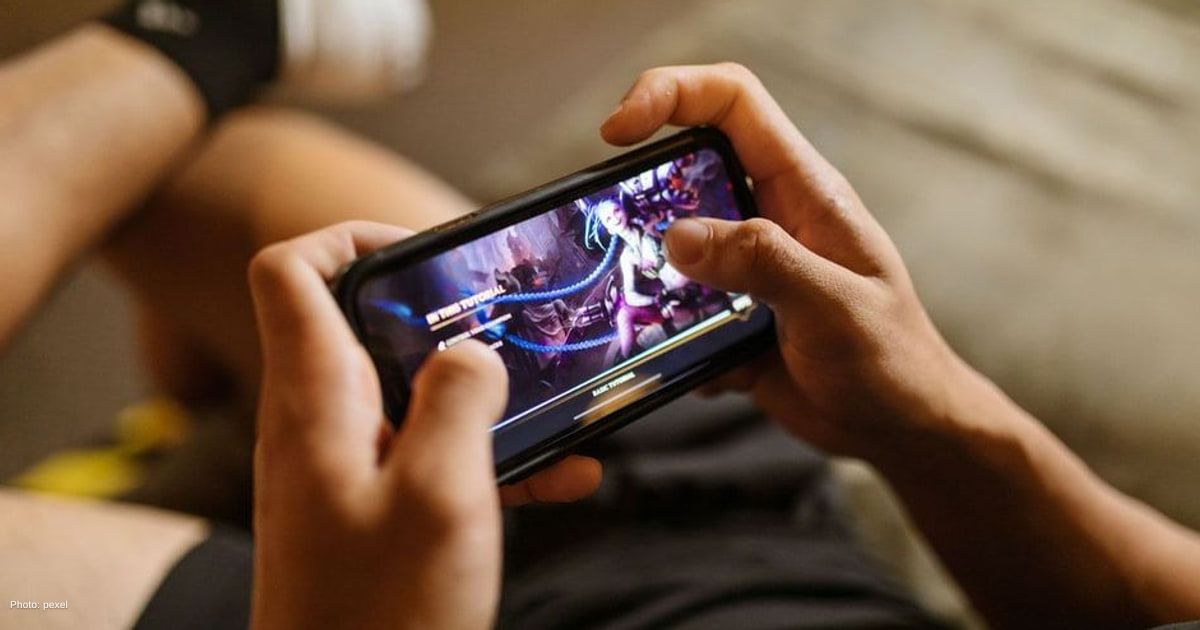
What Mobile Gaming Population Reveals About the Industry’s Future
Smartphones have turned gaming into an everyday activity for billions of people, yet the mobile market is evolving in ways that go beyond simple player growth. New data from 2026 shows that mobile gaming remains the largest segment of the gaming industry, with around 3 billion people playing on smartphones and tablets worldwide.
That audience represents roughly 83% of the world’s 3.6 billion gamers. Revenue reached $81.7 billion this year, even though downloads continued to decline. Rather than constantly trying the latest game releases, many players are spending more time and money on a smaller number of titles they already enjoy.
Key Takeaways
Mobile gaming continues to dominate the industry, with a focus shifting from new downloads to player retention and long-term engagement across diverse age groups.
- Mobile gaming constitutes the largest segment of the gaming industry, with nearly 3 billion players worldwide, generating substantial revenue despite declining download numbers.
- Player retention is prioritized over downloads due to rising user acquisition costs, with players increasingly dedicating time and money to a smaller selection of favored titles.
- The future of mobile gaming growth is expected to be driven by technological advancements like 5G and cloud gaming, alongside evolving monetization strategies such as subscriptions and in-app purchases, with a strong emphasis on long-term player engagement.
What players want
Player behavior has become a major focus for studios. Retention now matters more than raw download numbers because attracting users is becoming increasingly expensive. Day 1 retention averages about 26%. By Day 7, that figure falls to 10%, while fewer than 4% of players remain after 30 days.
Mobile gaming is no longer viewed as entertainment mainly for younger audiences. Adults aged 18 to 34 remain the largest group, but players from a wide range of age groups now spend time on mobile titles. Casual games continue to dominate, attracting around 1.95 billion players globally. Action and shooter titles each reach more than 1.2 billion gamers.
Daily engagement remains impressive. About 72% of players game every day, showing how deeply mobile titles have become part of everyday routines. Most sessions last only five to ten minutes, making mobile devices a convenient option during breaks or commutes.
Short play sessions have also become one of mobile gaming’s biggest advantages. Players can complete a challenge, check their progress, or join a quick match without setting aside hours of their day.
The next growth phase
Across the broader gaming market, there are now 3.42 billion gamers worldwide. Smartphones currently account for 40% of the gaming market, reinforcing their role as the primary gateway into gaming.
Several gaming industry innovations could shape the next phase of growth. Faster 5G networks, cloud gaming, and artificial intelligence are making high-quality experiences more accessible. These gaming industry innovations may also help improve matchmaking, personalization, and player retention.
Future growth could be substantial. Industry forecasts suggest the market could eventually approach $289.21 billion as mobile gaming continues to attract new players and revenue streams. Much of that growth is expected to come from subscriptions, battle passes, advertising, and in-app purchases rather than one-time sales.
Publishers are also exploring new ways to keep players engaged. Seasonal events, live-service content, and community features are becoming increasingly important as competition for attention continues to grow.
Different markets, different priorities
Regional gaming trends also continue to influence the market. Asia-Pacific generates 52% of global mobile gaming revenue and remains home to 1.48 billion gamers. China leads with 723 million players, while India follows with 517 million. Several Southeast Asian markets also continue to report strong engagement, reinforcing the region’s importance to publishers and developers.
Looking ahead, game development is increasingly focused on long-term engagement instead of download volume. As mobile internet improves and more players gain access to powerful devices, the latest game releases will compete in a market where keeping players interested may matter more than attracting them in the first place. Competition is expected to intensify, making loyal communities and consistent engagement more valuable than ever.

Kanishma Ray
Kanishma Ray is an entertainment and anime content writer, who's known to play a mean violin (decently, that is). She's an engineering student by day and a wordsmith by night, with a knack for crafting engaging and helpful content that her readers love. When she's not busy writing, you can find her nose buried in a book or controller in hand, consuming media like it's her job (oh wait, it is).
View all articlesRelated Articles
View All
Gaming Trends Lean Into Easier Access, Community, and More Choice
Gaming in 2026 is becoming easier to enter without losing ambition. Newzoo forecasts a $213.9 billion global games market this...

Ace Combat 8 Faces Backlash on Steam Despite Strong Reviews
A major new release can receive glowing reviews and still run into trouble once players get their hands on it....

New GTA 6 Screenshots Reveal Hurricanes, 170+ Animals and Huge Leonida Details
GTA 6 is getting another major reveal just weeks before players finally head to Leonida. A fresh collection of official...