
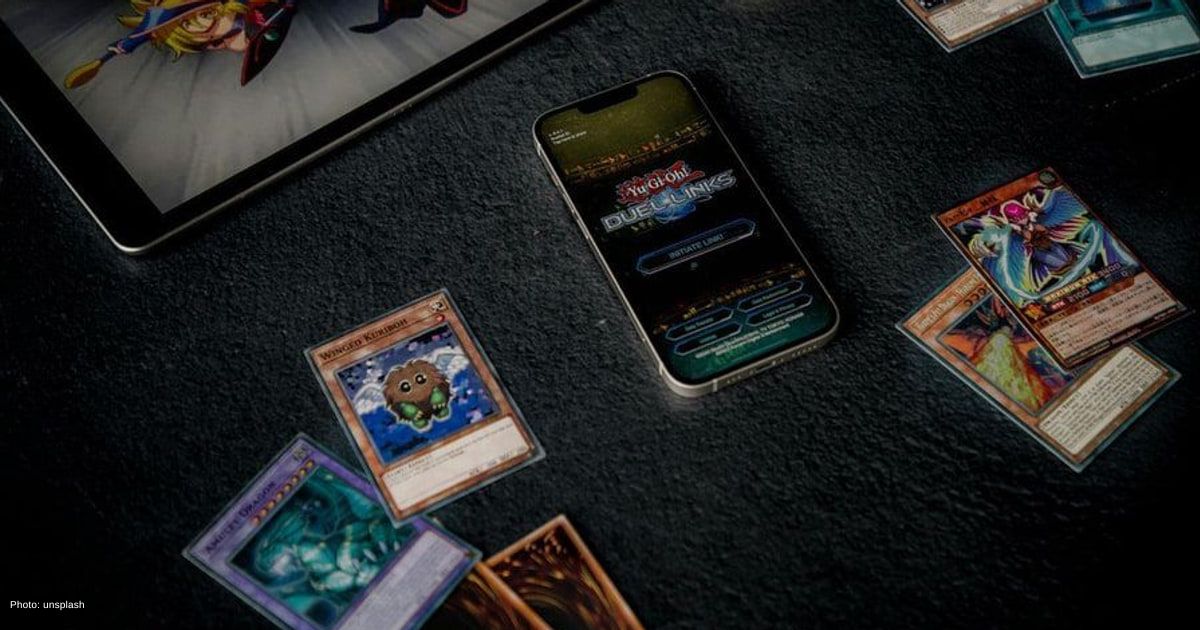
Mobile Gaming’s New Endgame Makes Cross-Device Play Feel Like Home
Mobile gaming spent years chasing the install, but its decisive contest in 2026 begins after the download. As market growth becomes less predictable, publishers are learning that players who can resume effortlessly across a phone, tablet, or PC can build more lasting value than another fleeting click. The new endgame is continuity: preserving progress, reducing friction, and making every supported screen feel like a familiar doorway into the same adventure.
Key Takeaways
Mobile gaming is shifting its focus from player acquisition to retention by enabling seamless cross-device play and consistent experiences, recognizing that player loyalty is more valuable than fleeting downloads.
- Player retention is becoming the new critical metric for mobile gaming success, driven by slowing market growth and declining in-app purchase revenue, emphasizing lifetime value over acquisition.
- Cross-device play, facilitated by cloud saves, unified identities, and synchronized progress, is key to reducing friction and ensuring players can seamlessly continue their gaming sessions across phones, tablets, and PCs.
- Game development must prioritize adapting interfaces and experiences for various devices while maintaining player progress and identity, alongside transparent cross-store rules and privacy controls, to create a truly continuous gaming journey.
Retention becomes the industry’s most valuable high score
The market’s numbers sharpen that shift. Sensor Tower estimates that global mobile-game in-app purchase revenue fell 4.5 percent year over year to $19.2 billion in Q2 2026. Non-gaming apps, meanwhile, reached a record $24.4 billion. That contrast does not diminish gaming’s scale, but it makes every returning player more consequential.
Retention therefore reaches beyond acquisition. Seasonal events, new challenges, social rewards, and collaborations can give communities reasons to return. Sensor Tower links the mature mobile market with greater emphasis on engagement, monetization, and lifetime value, making these gaming trends strategic priorities rather than bonus objectives.
Yet keeping players should not mean pressuring every session. Clear offers, fair rewards, and respectful pacing protect entertainment from becoming a toll road. When updates feel like worthwhile new chapters, loyalty can grow alongside revenue.
One identity turns several devices into one journey
Beyond events and offers, retention depends on making every return effortless. Cross-device play turns that goal into convenience. Cloud saves, unified identities, synchronized achievements, and account recovery can let a commute session continue later on another screen. Google Play Games on PC syncs progress and libraries for supported titles, while Apple Game Center can preserve saved states across Apple devices.
Platforms are reinforcing this idea. Apple Games gathers libraries, updates, events, and friend activity across iPhone, iPad, and Mac. Google has introduced “buy once, play anywhere” pricing for select games and announced Game Trials, alongside Community Posts and AI-powered Game Tips with limited title or language availability. These gaming industry innovations target friction points, including duplicate purchases, uncertainty, isolation, and confusion.
Continuity still shapes game development. Interfaces must adapt to touch, mouse, keyboard, controllers, readable text, battery limits, and interrupted sessions. Purchases require transparent cross-store rules, while shared identities need privacy controls and reliable recovery. A PC layout squeezed onto a phone is not seamless design. Each version must preserve player identity and progress while respecting the device in hand.
The best mobile future keeps progress moving
Once the journey works across screens, supporting tools can remove friction. Optional AI guidance may unblock moments, while moderated community feeds can surface help. Their value depends on transparency and user control. Spectacle may win attention, but the strongest gaming industry innovations will protect momentum without intruding on play.
For players, the payoff is fewer lost saves, repeated logins, and abandoned sessions. For studios, it is trust built through reliable returns. Among the gaming trends of 2026, continuity is becoming a promise worth keeping. When progress travels safely across supported devices, mobile gaming can make every screen feel like home.

Marcus Kade
Marcus Kade is Managing Editor at Spiel Times, covering breaking gaming news with a focus on the industry's business side. When not writing, he's probably losing a co-op game to his partner.
View all articlesRelated Articles
View All
Google and Unity Team Up to Let Anyone Create Video Games Using AI Prompts
Creating a video game usually takes programming knowledge, design skills and plenty of time. However, artificial intelligence is beginning to...

Football Manager 27 Unveils a Smarter Interface With Fewer Clicks
Sports Interactive has revealed early details about Football Manager 27’s interface improvements ahead of its November 2026 launch, introducing changes...

Where To Buy Aion 2 Kinah Safely? A Complete Guide
AION 2 has officially arrived, bringing a new generation of MMORPG adventure to players around the world. After years of...