
Sega Reveals Why Its Ambitious Super Game Had to Be Canceled
Big ambitions often shape the future of gaming, but transforming a bold vision into a successful global product requires more than technology and investment. In May 2026, Sega confirmed the cancellation of its Super Game initiative, a project designed to create a new large-scale global gaming experience. The company later explained that the project’s growing investment demands and operational challenges made continuing development too risky.
Key Takeaways
Sega canceled its ambitious Super Game initiative due to escalating investment demands and operational risks, despite remaining committed to live-service games and innovation through other projects.
- Sega’s “Super Game” initiative, envisioned as a large-scale global live-service IP, was canceled because the required investment and operational support grew beyond manageable levels, posing too great a risk.
- The cancellation highlights the significant financial and long-term commitment challenges inherent in developing massive online gaming projects, even for major publishers.
- Despite canceling Super Game, Sega continues to explore live-service opportunities and innovation, balancing new concepts with established franchises to manage risk and pursue growth.
Ambition meets reality
Sega introduced Super Game as a major initiative aimed at creating a new global live-service intellectual property. Unlike traditional releases built around a single launch, the project was envisioned as an experience that could continuously engage players worldwide through long-term content and updates.
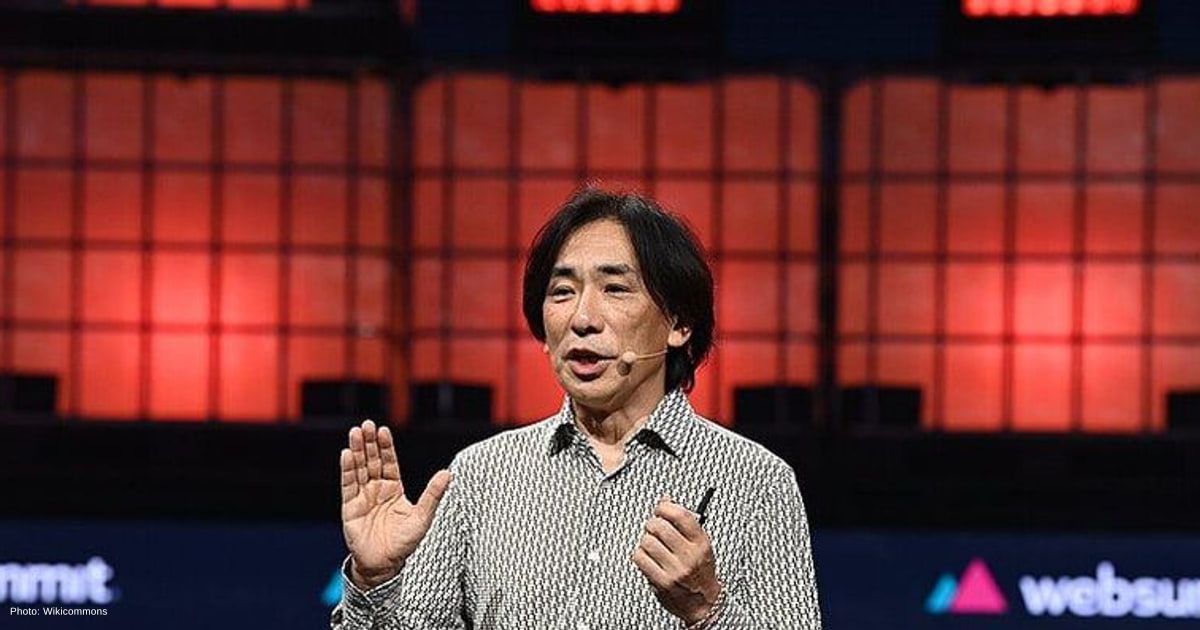
The company believed it had the technology and creative capability to pursue this vision. However, as development progressed, Sega found that achieving the intended scale required significantly greater investment, resources, and operational support than originally expected. Sega president and COO Shuji Utsumi explained that moving forward under those conditions would have created too much risk.
Sega’s decision reflects a wider challenge in modern game development. Large-scale online projects can create valuable long-term opportunities, but they also demand years of support, consistent player engagement, and major financial commitment after launch. This has become a key discussion within gaming industry innovations as publishers continue exploring new approaches to building global experiences.
The risks behind a massive vision
The Super Game initiative was announced in 2021 as part of Sega’s plan to develop ambitious global titles beyond traditional gaming formats. The company later revealed that it was considering an investment of up to ¥100 billion over five years, roughly $882 million, demonstrating the enormous scale of its original vision.
To support this direction, Sega also formed a strategic alliance with Microsoft to explore cloud technology and other possibilities for future large-scale game development. The partnership reflected Sega’s interest in advancing gaming industry innovations and creating experiences that could reach audiences worldwide.
By 2026, Sega confirmed that Super Game had been canceled after reviewing its live-service strategy. The decision showed that even major publishers must carefully evaluate whether a project’s potential rewards can outweigh its development demands, especially as gaming trends continue to shift.
What Super Game’s cancellation means for Sega
The cancellation of Super Game does not mean Sega is stepping away from innovation. Shuji Utsumi stated that the company still considers Games as a Service an important area and believes there are opportunities for carefully selected projects. Sega continues supporting existing online experiences while exploring new possibilities in game development.
At the same time, Sega is balancing new ideas with its established franchises. Projects connected to classic series such as Crazy Taxi and Jet Set Radio demonstrate the company’s strategy of combining fresh concepts with properties that already have strong global recognition. This approach allows Sega to pursue growth while managing the risks associated with large-scale projects.
For Sega and the wider gaming industry, Super Game’s cancellation offers an important lesson. The future of gaming will not simply belong to the biggest budgets or most ambitious concepts, but to experiences that can create lasting value within the broader entertainment landscape. As the search for the next breakthrough continues, Sega’s choice shows that changing direction can sometimes be the most strategic move toward long-term success.

Marcus Kade
Marcus Kade is Managing Editor at Spiel Times, covering breaking gaming news with a focus on the industry's business side. When not writing, he's probably losing a co-op game to his partner.
View all articlesRelated Articles
View All
Squadron 42 Reveals New Gameplay and PC Requirements Ahead of 2027 Launch
After more than a decade of development, one of the most ambitious space adventures is moving closer to release. Cloud...

GTA 6 on Switch 2? Nintendo Says It’s Rockstar and Take-Two’s Call
Grand Theft Auto 6 is heading toward its November 19 launch, yet one question keeps coming up: could Vice City...
Ubisoft Wants Its ‘Motherbrain’ AI Across as Many Games as Possible
Ubisoft is taking another step towards making generative AI a bigger part of how it builds games. The company has...