
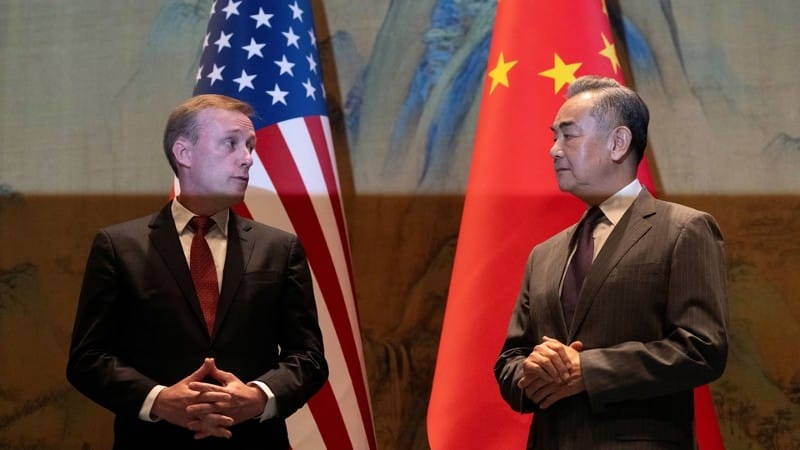
US Strategies to Curb Xi’s Tech Ambitions Show Signs of Weakness
Efforts by the United States to curtail China’s technological advancements under President Xi Jinping face increasing difficulties. As the world navigates an era of digital supremacy, the U.S.’s measures—centered around semiconductor sanctions and cutting-edge technology restrictions—are encountering pushback and revealing strategic vulnerabilities.
Intensifying the Chip War
The U.S.’s export restrictions on semiconductors, a cornerstone of Beijing’s tech ambitions, have strained China’s capacity to manufacture high-end chips. However, this pressure has also incentivized significant Chinese investment in domestic chip manufacturing. Companies like Semiconductor Manufacturing International Corporation (SMIC) have accelerated production, catching up faster than anticipated by using advanced technologies developed with Western support
China’s “Made in China 2025” strategy continues to fuel these efforts, despite facing setbacks. Investments totaling over $150 billion since 2015 have significantly boosted research and production facilities, although self-reliance targets remain only partially met
Rare Earth Leverage
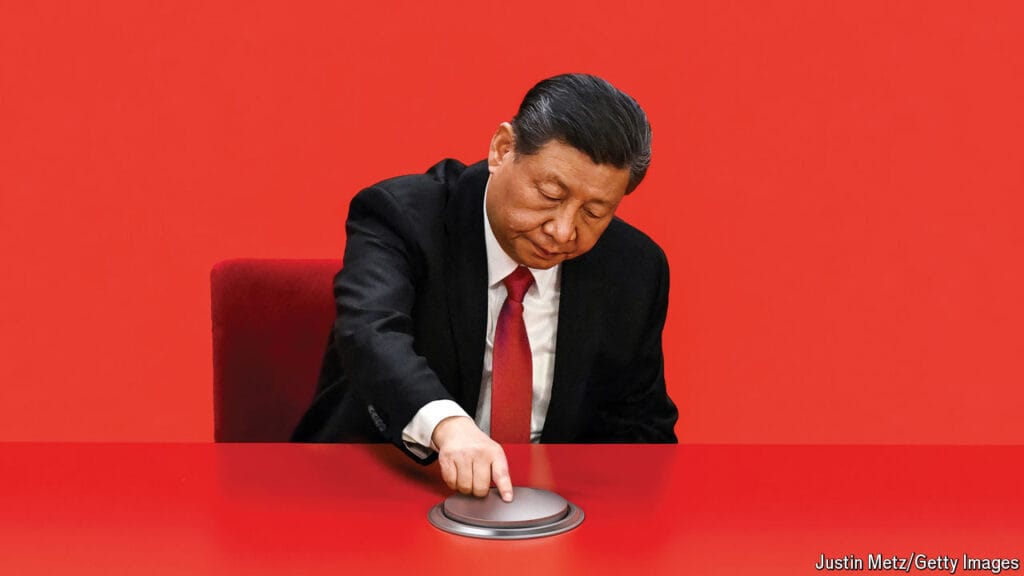
Another critical point in this tech tug-of-war is China’s dominance in rare earth minerals. These materials are indispensable for semiconductors, batteries, and other high-tech applications. Beijing has responded to U.S. tech sanctions by limiting exports of key metals like gallium and germanium, which are vital to global supply chains. This move aims to counterbalance the West’s tactics but risks accelerating Western efforts to diversify supply chains, as Japan experienced after similar disputes.
Weaknesses in the U.S. Strategy
Despite these measures, the U.S. strategy shows signs of weakness. The global dependence on China’s tech market complicates sustained sanctions. American companies have been affected as well, facing disruptions and reduced access to critical markets. Meanwhile, China’s aggressive moves, such as its “Delete America” campaign, indicate a willingness to decouple from Western software ecosystems entirely
ALSO READ: Chris Brown Steps In: Prevents Diddy’s Sons from Clashing with Ray J
Beijing’s Response: Innovation and Collaboration
President Xi’s administration has made clear that it will not bow to Western pressure. The focus is on technological self-reliance and international collaboration, ensuring that U.S. containment strategies don’t leave China isolated but instead drive innovation. This resolve was echoed in recent legislative sessions, where leaders emphasized that overcoming U.S. obstacles is a matter of time and strategic persistence
What Lies Ahead?
The tech war is far from over, and the repercussions extend globally. The U.S. and its allies must carefully balance sanctions with economic interests, while China’s pursuit of tech autonomy could reshape the global innovation landscape.

Samuel
I am a writer and lover of life. I fell in love with books at the age of 5 and wrote my first short storybook at the age of 16. I've also been a freelance writer for over 5 years and written content in niches such as Technology, iGaming, Marketing, Project Management, Travel, Lifestyle, Personal Development, and SEO. When I'm feeling adventurous, I love traveling and discovering new places and scenery. But when my calm, reflective side takes over, you'll find me snuggled up at home with a good book and a cup of tea.
View all articlesRelated Articles
View All
Squadron 42 Reveals New Gameplay and PC Requirements Ahead of 2027 Launch
After more than a decade of development, one of the most ambitious space adventures is moving closer to release. Cloud...

GTA 6 on Switch 2? Nintendo Says It’s Rockstar and Take-Two’s Call
Grand Theft Auto 6 is heading toward its November 19 launch, yet one question keeps coming up: could Vice City...
Ubisoft Wants Its ‘Motherbrain’ AI Across as Many Games as Possible
Ubisoft is taking another step towards making generative AI a bigger part of how it builds games. The company has...