
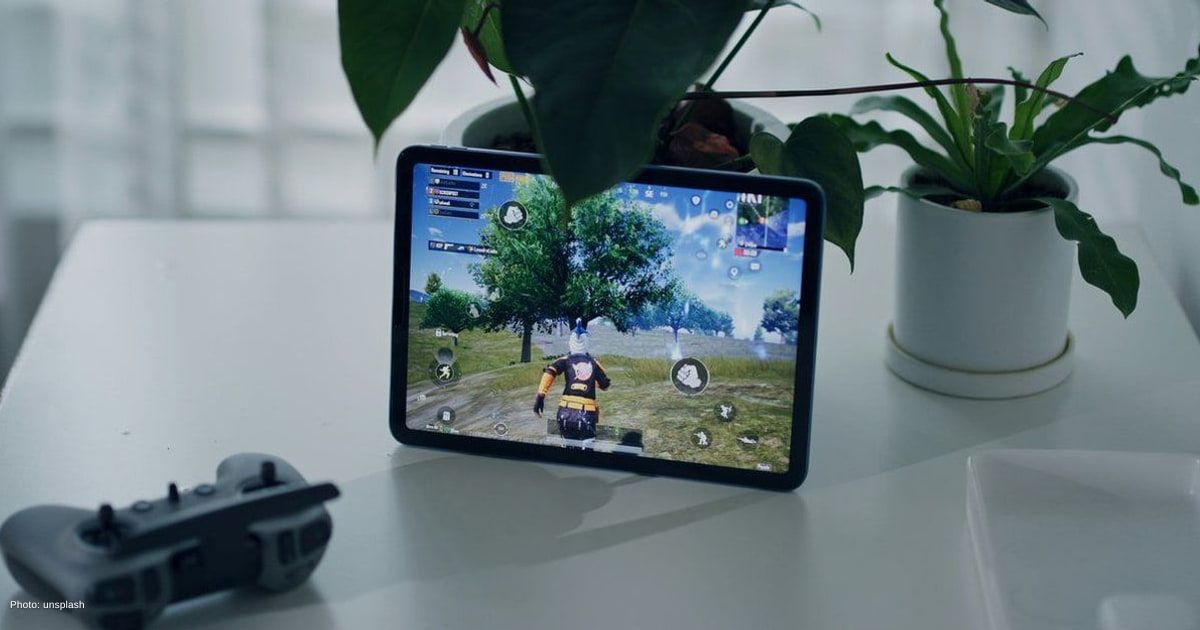
Mobile Gaming’s Next Growth Wave Is Changing How the Industry Plays
Mobile gaming is no longer just a side quest for entertainment. In 2026, it sits closer to the center of how players spend time, how publishers plan launches, and how advertisers chase attention. The next growth wave is not just about more downloads. It is about a global shift in access, habits, and business models, in which the phone has become gaming’s most accessible front door.
Key Takeaways
Mobile gaming is poised for significant growth, driven by increased accessibility, evolving player habits, and new business models, fundamentally changing the entire gaming industry.
- The global mobile gaming market is projected to experience substantial growth, fueled by affordable smartphones, enhanced technology, and widespread network access, particularly in the Asia Pacific region.
- Player engagement is shifting towards a continuous experience with daily events, seasonal rewards, community building, and cross-platform progress, transforming games into long-term entertainment platforms that require ongoing operation and updates.
- The future of mobile gaming success hinges on developers and publishers balancing monetization strategies with player trust, while advertisers need to integrate campaigns respectfully within the gameplay experience.
Mobile’s growth wave is opening gaming’s biggest door
Market forecasts point to a sector climb. Fortune Business Insights projects mobile gaming to grow from $137.46 billion in 2026 to $289.21 billion by 2034, while Newzoo continues to place mobile as the biggest revenue segment in global gaming.
That position is built on access. Affordable smartphones, faster processors, brighter displays, and wider 5G networks are making smoother gameplay possible for users who may never buy a console or a high-end PC.
That access is especially clear in the Asia Pacific, a key engine of growth supported by large player communities and major publishers in China, Japan, and South Korea. Meanwhile, emerging markets are giving mobile entertainment a powerful runway, because a phone is often the easiest way into modern games.
New habits are rewriting the mobile playbook
The strongest gaming trends are changing what players expect. Mobile games now keep players engaged through daily events, seasonal rewards, creator communities, esports formats, and cross-platform progress. These features help sustain attention between the latest game releases. A successful game is no longer only launched; it is operated, refreshed, and listened to.
That expectation is reshaping game development. Studios are using AI-assisted tools to support testing, localization, personalization, matchmaking, and live operations. Cloud gaming is also expanding the field by enabling richer experiences to reach players without relying solely on expensive hardware. For developers, this creates pressure to move faster, but also an opening to serve more regions with smarter design.
As mobile games become longer-running entertainment platforms, monetization becomes a difficult balance. In-app purchases, rewarded ads, subscriptions, and battle passes can fund active worlds, yet players resist systems that feel unfair or exhausting.
The publishers with the best chance of lasting success will be those that protect trust while building revenue. For advertisers, mobile offers reach, but winning campaigns will respect gameplay, privacy, timing, and culture.
The next wave rewards smarter builders
Mobile’s rise will not erase consoles or PCs. Instead, it is pushing the wider gaming business to become more flexible, social, and global. That is why the market’s expansion matters beyond revenue charts. It changes how studios build, how brands participate, and how players choose where to spend their attention.
The opportunity is clear. Developers who build fair systems, stronger communities, and games that work across devices will lead the next chapter. The market is crowded, but its direction is unmistakable: mobile gaming is becoming one of the industry’s strongest growth engines, carrying the future of play into more screens, more markets, and more daily moments worldwide.

John Micheal Agustin
John Micheal (sometimes called JM or Mike) has been writing various types of professional articles for almost 2 years now. He is an avid sports fan and has been following the NBA since the early 2000s. He also loves playing a lot of video games like DotA 2, Valorant, but MMOs have a special place in JM's heart. Not only is he a huge fan of basketball and video games, he also loves movies and tv shows. He is a huge MARVEL and MCU fan plus he is into a lot of superhero stuff.
View all articlesRelated Articles
View All
Google and Unity Team Up to Let Anyone Create Video Games Using AI Prompts
Creating a video game usually takes programming knowledge, design skills and plenty of time. However, artificial intelligence is beginning to...

Football Manager 27 Unveils a Smarter Interface With Fewer Clicks
Sports Interactive has revealed early details about Football Manager 27’s interface improvements ahead of its November 2026 launch, introducing changes...
Where To Buy Aion 2 Kinah Safely? A Complete Guide
AION 2 has officially arrived, bringing a new generation of MMORPG adventure to players around the world. After years of...